
Fungal Zoonoses
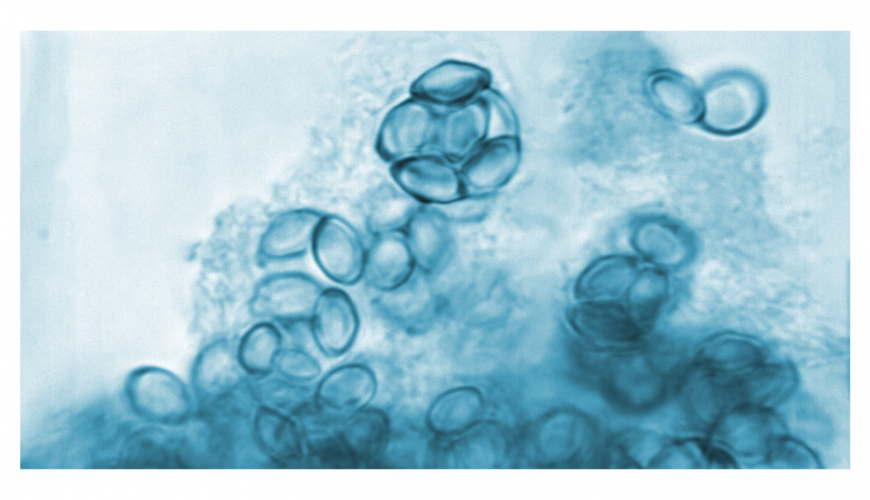
A fungal infection, also known as mycosis, is a disease caused by a fungus. There are many different kinds of fungi. They are present everywhere in the environment. They live in the dirt, on the plats, on the skin, on inanimate objects, etc. They can lead to an array of diseases. These diseases may be skin infections or internal body infections.
Here are the details of a few very commonly occurring fungal diseases that are zoonotic in nature:
.
Dermatophytosis
Dermatophytosis, also popularly known as ringworm is a superficial skin infection of animals and humans. In healthy animals, usually no treatment is required for mild infections. This disease is more common in stressed and younger individuals and those living in crowded places. There are various pathogens that can cause this disease. Some of them are, Microsporum canis (dogs, cats and larger animals), Trichophyton mentagrophytes, T. Verucosum and M. gypseum. Just exposure to these organisms does not cause this disease. It the most common skin diseases of cats. In India, M. canis was found most commonly causing dermatophytosis in animals and also in the pet owners. M. gypseum and T. mentagrophytes were other pathogens associated with these infections. These infections were more prevalent in the rainy seasons and in in-contact human patients or pet owners.
Transmission occurs through direct contact with other infected people, animals and soil. Indirect transmission may happen from fomites.
In humans-
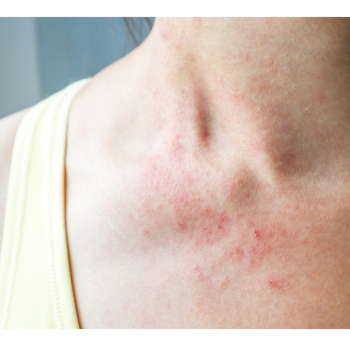
Humans can develop red, scaly or itchy patches. These patches can resemble a ring. Patches can also convert into blisters. Nails can become thick or begin to crack.
In animals-
The clinical signs may include loss of hair, scaling, crusting, erythema, papule, hyperpigmentation and pruritus. Kerion (nodular lesion) can develop in dogs.
This includes direct examination and skin biopsy. A wood’s lamp test can be used to detect M. canis. Direct microscopy and cultural examination is done.
Environmental cleaning can help remove infectious material. Mechanical removal of organic material and hair of infected people or animals should be done before cleaning and disinfection. Any bathroom disinfectant should work in killing the infectious agents. Bleaching is not required.
Skin should always be kept clean and dry. Walking barefoot in locker rooms and public showers should be avoided. Fingernails and toenails should be kept short and clean. Clothing, towels, etc should not be shared with people who have ringworm.