
Veterinary Clinic/Hospital Hygiene
Clinics and hospitals are a source of many infections. All sick animals, infectious or not, go to clinics and hospitals to get treatment. If clinic sanitation is not maintained, these infections can very easily spread from animals to humans or animals. And for this kind of spread, physical contact of one diseased animal with another healthy animal may not be important to spread that disease.
Basics of infection control are common all over the world. Their implementation is extremely important to maintain a clean and infection-free clinical setup. The staff must be trained and educated to follow these principles.
Let’s discuss some standard precautions one can take before going into the details of sanitation.
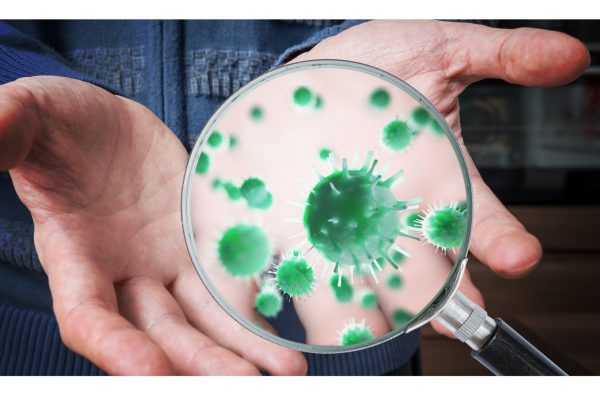
Hands must be washed before and after coming in contact with a new patient. They should be washed before and after coming in contact with non-intact skin and also before and after washing gloves. One must wash their hands even before and after performing non-medical activities such as using the washroom, eating, smoking, cleaning cages or examination tables, etc.
One must use soap and water to wash hands. The soap should stay in contact with the skin for 20 seconds at the least. The areas between the fingers must also be properly cleaned. In the cases where soap and water are not available, alcohol-based hand sanitisers should be used.
The processes where gloves should be worn- Handling animals that are infected or not, handling disinfectants, handling bodily fluids, etc.
Other precautions one can take to keep the diseases at bay are- short and clean fingernails, avoiding jewellery on hand.
Any area where surgeries are not performed in a clinic or a hospital is known as the non-surgical area. Some precautions one can take in non-surgical areas include the following:
• Allotted hospital dress/ uniform that is worn only in the hospital and not outside.
• Protective clothing such as coats or scrubs should be worn.
• Closed toe-shoes are preferred.
• Wrists should be exposed so short sleeved attire is preferred.
• Long hair should be tied back.
• Face shields and masks should be worn while performing procedures that may involve
splashing of body fluids or blood or faeces.
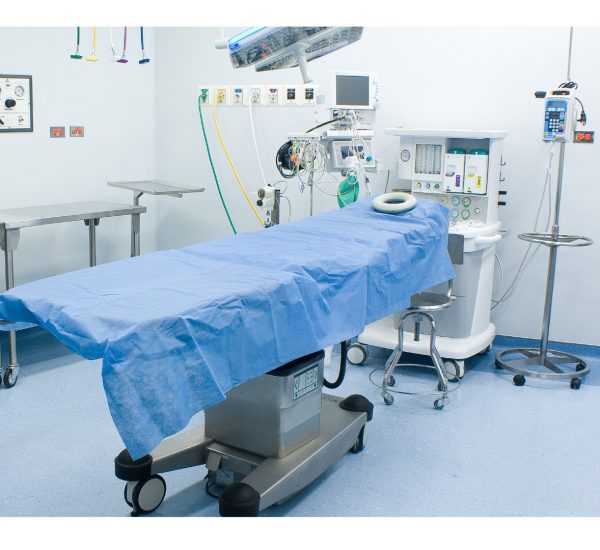
Following are some points one can follow to maintain hygiene in surgical areas:
• Dedicated surgical attire should be worn.
• Separate footwear for the surgical room should be available.
• Hands should be washed thoroughly before performing a procedure.
• Caps and masks should be worn.
• Human traffic should be kept minimum.
Other factors that should be considered for complete hygiene include animal handling processes, transmission-based precautions, handling of infectious material, isolation of infected animals, handling of sharps and needles.
What to use for hospital cleaning, sterilisation and disinfection
Before moving on to the materials that can be used in hospitals for cleaning and disinfection, let us revise the definitions of the basic terms.
Sterilisation-
It is the complete elimination of all microbes including bacterial spores. Some sterilisation methods are steaming with pressure or applying dry heat. Liquid chemicals are also available for sterilisation.
Disinfection-
This process eliminates many or all microbes from inanimate objects but not bacterial spores. Disinfectants can be of the low, high or intermediate level depending on their efficacy.
Antisepsis-
It is the process that reduces the number of microbes from living tissue and skin.
Sanitation-
It is the reduction in the number of microorganisms on a surface to a safe level.
Germicides-
These are agents that inactivate microorganisms. They include disinfectants, antiseptics and sanitisers.
In the table given below, characteristics of some disinfectants that can be used in clinics are given.
| Category of the disinfectant | Activity in the presence of organic matter | Advantages | Disadvantages | Precautions |
| Alcohols (Ethyl alcohol, isopropyl alcohol) | Rapidly inactivated | Fast acting
No-residue Non-toxic |
Rapid evaporation | Flammable |
| Aldehydes (Formaldehyde, glutaraldehyde) | Good | Broad-spectrum
Relatively non-corrosive |
Very toxic | Irritant
Carcinogenic Requires ventilation |
| Alkalis (Ammonia) | Good | Effective in breaking down grime, animal fats Used mainly for cleaning glass | Irritant to skin and eyes
|
Should not be used with chlorine bleach |
| Biguanides (Chlorhexidine) | Inactivated rapidly | Non-toxic | Not compatible for anionic detergents | – |
| Halogens (hypochlorites- bleach) | Inactivated rapidly | Broad spectrum
Sporicidal Inexpensive Can be used in the kitchn |
Inactivated by cationic soaps
Frequent application required |
Corrosive
Irritant |
| Oxidising agents | Good | Broad spectrum
Environment friendly |
Breakdown with time
Corrosive |
– |
| Phenolics | Good | Broad spectrum
Non corrosive Stable |
Toxic to cats
Unpleasant odour |
Irritant
|
| Quaternary ammonium compounds | Moderate | Stable
Non-irritating Low toxicity Can be used in kitchen Effective in high temperatures and ph |
Incompatible with anionic detergents | – |
To know more about the details of the respective cleaning agents, you can read the chapter titled Basic Principles of Infection Control by Jane E. Sykes and J. Scott Weese. The link to the book is given at the end of this page.
Just cleaning and disinfection will not solve our problem. Clinics also need to ensure that their surgeons prepare themselves following the principles of disinfection.
How should surgeons prepare themselves:
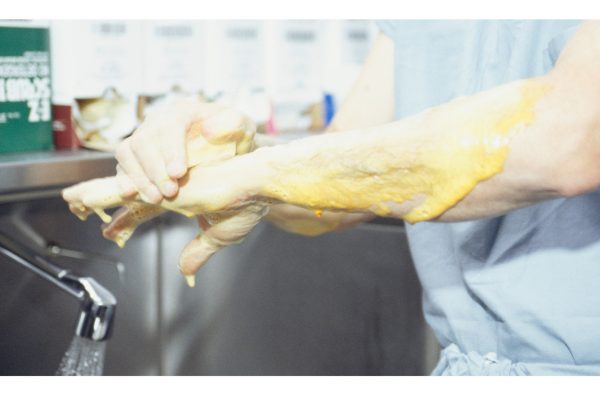
- Change into surgical attire (Sterilised coat, mask, face shield)
- Scrubbing of hands with disinfectant. The disinfectant should stay in contact with the hands for 1.5 minutes to 3 minutes depending on the product used. Usually, alcohol-chlorhexidine solutions are used in varying percentages.
- Sterilised gloves should be worn at the end.
How to prepare an animal before surgery:
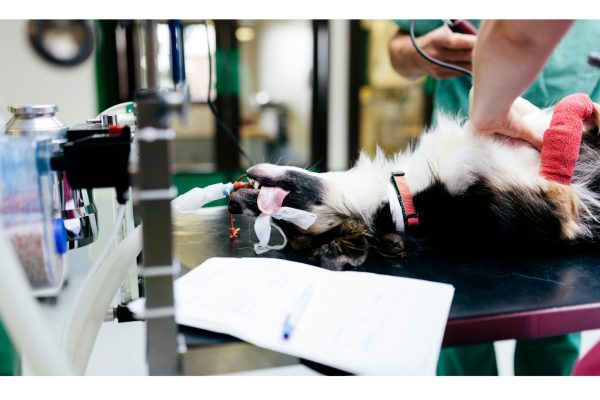
- Clip the animal after anaesthesia outside the surgical room.
- Avoid making any lacerations while clipping as they can become a source of infection.
- Transfer the patient to the operating room
- Prepare the surgical site by cleaning it with recommended chemical solutions to make it aseptic.
- The disinfectant should stay in contact with the animal skin for 2-4 minutes depending on the disinfectant used. Avoid injuring the skin by the overuse of disinfectants.
The animal owners should try to understand why and how certain sanitation procedures are performed differently in hospitals. These procedures greatly reduce the transmission of nosocomial infections and ensure a safe environment for you and your animals.