

Parasitic Zoonoses
When a parasite that usually resides inside or on an animal’s body causes a disease in human beings, the disease caused by it is known as parasitic zoonosis. There are many types of parasites that reside in and on animals’ bodies. Pet animals like dogs and cats also have them and can become an important source of transmission of these parasites to humans if not taken good care of.
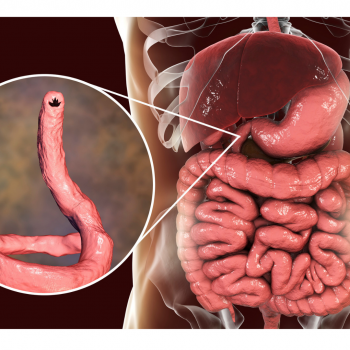
Ancylostomosis
Various Ancylostoma spp. include, A. caninum, A brazilense and A. ceylanicum. Ancylostoma spp. are basically hookworms. Hookworms are parasites that inhabit the intestines of humans and other animals. Dogs and cats can become infected with Ancylostoma spp. very easily. The eggs of these parasites can be excreted in the environment via feces. Humans can become infected with these hookworms when the hookworm larvae insert themselves into abraded skin, wounds, unprotected skin, etc. They can cause a disease called CLM- Cutaneous Larva Migrans. CLM is most common hookworm disease of humans. Worldwide, this disease is found more in tropical and subtropical countries. It is also found more in developing and underdeveloped nations.
In India, the hookworm infection rate is estimated to be 2.4%. The prevalence in rural areas is higher compared to urban areas. Around 71 million people in India are infected with hookworm every year. Children between 8-10 years are easily affected.
From infected animals and humans, eggs of hookworm are shed in feces and diffused into soil. In the soil, eggs mature and release larvae and eventually these larvae penetrate in the skin and cause infection. In animals, this disease is transmitted by various routes like orally, via the skin, in utero and through the process of milking.
In humans-
- Itching and localised rashes (in the beginning)
- Abdominal pain
- Diarrhoea
- Loss of appetite
- Weight loss
- Fatigue
- Anemia
In animals-
- Anemia
- Intestinal distress
- Pale gums
- Weakness
- Diarrhoea
- Dull and dry hair coat
- Poor growth
- Skin irritation and itching
Stool examinations such as Kato-Katz and formalin-ether concentration techniques are used for the diagnosis of Ancylostoma spp. by microscopy.
- Avoid walking barefoot in areas where hookworm is common.
- Deworm your pets regularly.
- Try to keep sewage disposal systems effective.
- Don’t allow pets to poop in the garden and children play areas.