

Bacterial Zoonoses
A bacterium is a member of a large group of unicellular microorganisms which have cell walls but lack organelles and an organised nucleus. The diseases caused by bacteria are known as bacterial diseases.
.
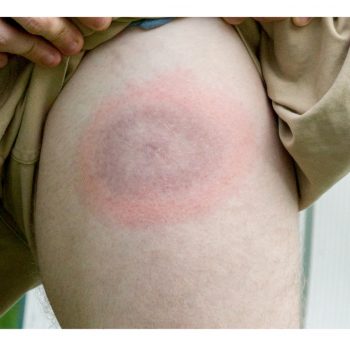
Lyme Disease
The Lyme bacterium Borrelia burgdorferi is spread when a tick feed on an infected animal like a squirrel or mouse and transfers the illness to a human or an animal. Lyme disease is a very common vector-borne disease. Farmers and veterinarians are at an increased risk of getting this disease. This is an emerging infectious disease. This disease is found more commonly in the temperate zones of the world. The tick transmitting this bacteria is Ixodes scapularis.
This disease is spread by the tick (vector) Ixodes scapularis after it feeds on infected wild animals especially rodents. Direct transmission from dogs to humans or cats to humans has not been observed however, an infected tick from a dog’s body may infect the human as well. Dogs also get infected by tick bites only. This infection in cats is very rare.
In humans-
Early signs and symptoms (after 3-30 days of the tick bite) include:
- Fever
- Chills
- Headache
- Fatigue
- Muscle and joint pain
- Swollen lymph nodes
- Erythema Migrans rash develops at the site of tick bite
Later signs and symptoms (after a month) include:
- Severe headache and stiff neck
- More rashes throughout the body
- Facial palsy
- Arthritis
- Irregular heart-beat
- Dizziness
- Nerve pain
In animals-
- Cats show the presence of antibodies after infection but clinical signs have not been observed in them till now.
- Dogs have intermittent fever, shifting lameness, anorexia, lethargy, lymphadenopathy, etc.
Diagnosis can be based on signs and symptoms and a history of exposure to ticks. In the absence of the characteristic rash, diagnosis is difficult. PCR is used to diagnose this condition as well however contamination in such cases needs to be taken care of. CDC suggests that clinicians should use a two-step procedure- a sensitive screening test like ELISA and a Western Immunoblotting Technique if ELISA is positive.
It is advisable to reduce the chances of positive tick bites. Bushes, trees, leaf litter, etc should be cleared or kept under check in endemic areas. Application of acaricides to white-tailed deers reduces the feeding of these ticks on them. Pesticides are effective in residential areas but may pose harm to humans as well as animals. Permethrin spray is available for application on items of clothing and it kills ticks on contact.