

Viral Zoonoses
A virus is an infective agent that ideally consists of a nucleic acid molecule in a protein coat. It is too small to be seen by light microscopy and multiples only inside living cells. It is the link between the living and the non-living. The diseases caused by this infective agent are called viral diseases.
.
Avian Influenza
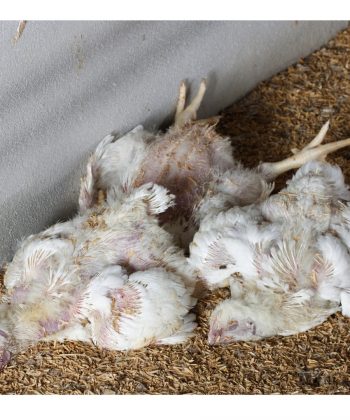
Type A Influenza viruses are predominantly detected in avian species and most of the strains are zoonotic causing human infections. Avian influenza H5N1 virus is known to cross the species barrier and infect humans and felines. Cases of influenza H5N1 have been reported in domestic cats in Europe (Austria, Germany) and several countries in Asia. In Thailand, a tiger was infected with H5N1 after consuming an infected chicken carcass. Dogs and cats are generally not recognised as sources of influenza viruses to humans, however humans may transmit H1N1 to pets. A case of H5N1 avian Influenza infection in dog who consumed a duck carcass was recorded from an area in Thailand. This area frequently reports influenza outbreaks in ducks. After five days of ingestion, high fever, panting, lethargy and death were recorded in the dog.
Acute respiratory and gastrointestinal infection were recorded in Italy in caged stray cats due to H1N1 Influenza virus strain. Influenza A viruses require specific receptors and receptors essential for avian influenza viruses are present in dogs and cats, therefore direct transmission from poultry to dogs and cats may occur.