
Fungal Zoonoses
A fungal infection, also known as mycosis, is a disease caused by a fungus. There are different kinds of fungi. They are present everywhere in the environment. They live in the dirt, on the plants, on the skin, on inanimate objects, etc. They can lead to an array of diseases. These diseases may be skin infections or internal body infections. Some of the fungal infections could be detrimental.
.

Cryptococcosis
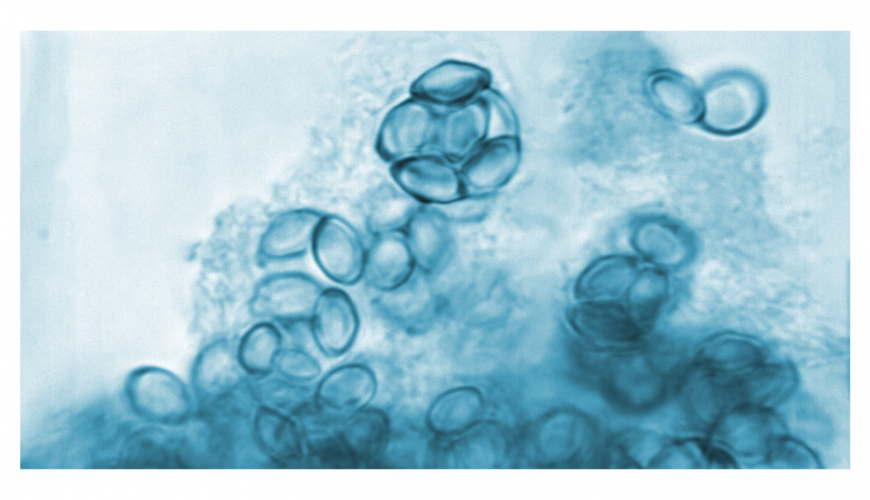
It is a fungal disease that can manifest in the respiratory tract mainly the nasal cavity. It also affects the CNS, eyes and skin of animals, especially cats. It is caused by the fungus Cryptococcus neoformans. This fungus lives in the environment throughout the world. It can be found in the soil or manure. It is also found in pigeon droppings. This infection is rare in people who are healthy. This fungus usually attacks immunocompromised people or people with HIV/ AIDS. It is found more in cats than other animals however infection in other animals is not unseen.
This infection is spread by inhalation of fungal spores or wound contamination. The transmission may occur in a non-capsulated form of this fungus which is as small as 1 micrometer which can easily be inhaled into the deeper parts of the lungs. This infection is usually not contagious. Birds play a very important role in the spread of this disease by being potential carriers and spreaders. Dogs and cats can carry different forms of C. neoformans in their nasal cavity asymptomatically.
In humans-
- If the infection is in the lungs, the symptoms include cough, shortness of breath, chest pain and fever.
- If the infection is in the brain, the symptoms will most likely include headache, fever, neck pain, nausea and vomiting, light sensitivity, confusion or changes in behaviour.
In animals-
- In bovines, the cases are associated with mastitis and the symptoms may include anorexia, weakness, swelling and firmness of the affected quarters. The colour of milk becomes viscid, mucoid and grey-white.
- In cats, upper respiratory signs are common and include sneezing, mucopurulent or serous discharge, polyp like masses in the nostrils, or subcutaneous swelling over the bridge of the nose.
- Cutaneous lesions are also common in cats. Neurological signs include depression, changes in temperament, seizures, circling, paresis and blindness. Ocular abnormalities may or may not develop.
- Clinical signs in dogs are related to meningoencephalitis, optic neuritis and granulomatous chorioretinitis.
The diagnostic methods include evaluation of nasal exudate, CSF, etc. Impression smears of nasal and cutaneous masses can be made and observed. Gram staining is usually the preferred method. Antigens can be detected in the serum, urine or CSF. Chest X-rays and CT scans of lungs and brains can also be performed.
It is difficult to prevent infection in people or animals with weakened immune systems or HIV/ AIDS. Targeted screening programs to detect early cryptococcal diseases may help. Increase in the use of masks can help in preventing the inhalation of this fungus. Avoid areas that have dried pigeon feces or any other bird feces. Try to avoid as much dust inhalation as possible. Currently there are no vaccines available to prevent this disease.