
Pet Hygiene
To ensure good health for you, your family and your pet, maintaining personal, house hygiene, and pet’s hygiene is very important. Several diseases can be transmitted from your pet to you if cleanliness is not taken care of.
Quite a few surveys suggest that people are at a high risk of acquiring diseases from animals. The general public is not aware of the high-risk practices that can result in diseases, like sleeping on the bed with pets, touching, kissing, leaking, and not washing hands, etc.
Here are some ways to avoid disease transmission from pets and keeping them healthy

It is important to not underfeed or overfeed animals. Obesity can lead to various heart diseases and malnourishment can lead to a poor immune system. Discuss with your veterinarian the correct diet and quantities for your pet. Make sure that enough, clean and ad-lib water is available for your pet. Limit the number of treats. No more than 10% of total daily calories should go into their diet via treats. Cats and dogs cannot be made vegetarian. Meat should form the base of their diet. It can either come from packaged foods or homemade food. Select the right brand by talking to your veterinarian about packaged food.
Know their eating habits to form a schedule. Dogs can be easily trained to eat at regular intervals or greater frequencies. However, the same is not the case with cats. Cats tend to eat during the nights as well so it is advisable to have some ad-lib dry food for them. Try not to give too much dry food because of excessive carbohydrates. Balance it out with the dry food.
Dogs also tend to gulp their food down, especially when other animals are present. In such cases, you can add more water to their food to avoid gulping or give food in small quantities.
Some foods that can or cannot be consumed by cats and dogs are given in the images below:




Animals in the wild scavenge and hunt for their food. This keeps them active when they have to be and tired when they need to sleep. However, the case is different with pet animals. Pet animals are dependent on their humans for their exercise and well-being. Regular walks, hiking, a short game of fetch can keep your dogs on their feet. People can play stimulative games with their cats to keep them from lazing the whole day. Exercises will benefit their heart, activity levels and sleep cycle. It will also help in improving their digestion and regulating joint issues. If your pet has special needs, talk to your veterinarian about the type of exercises that are suitable for your pet.
Some fun ways to exercise your pets at home are given at the end of this article.
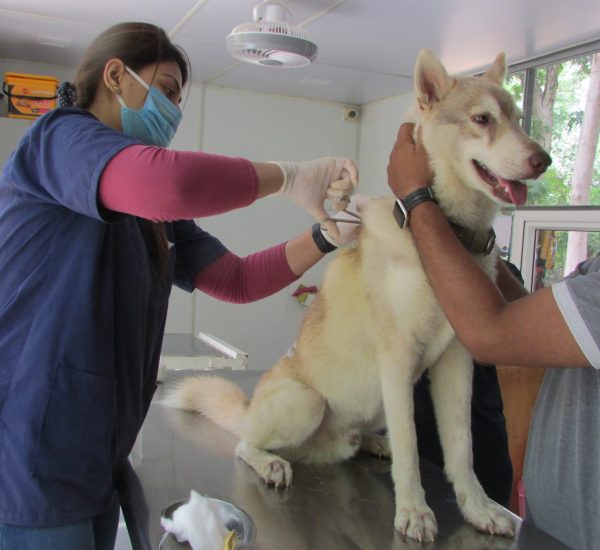
The way humans and animals express pain is different. Humans will acknowledge their pain or sickness. Animals tend to hide it. Regular health check-ups will ensure that your animal does not have any disease or is not showing any signs of an onset of a disease. During these health check-ups, you can also take care of all the preventive treatments required for your pets like vaccination, annual blood check, deworming, etc.
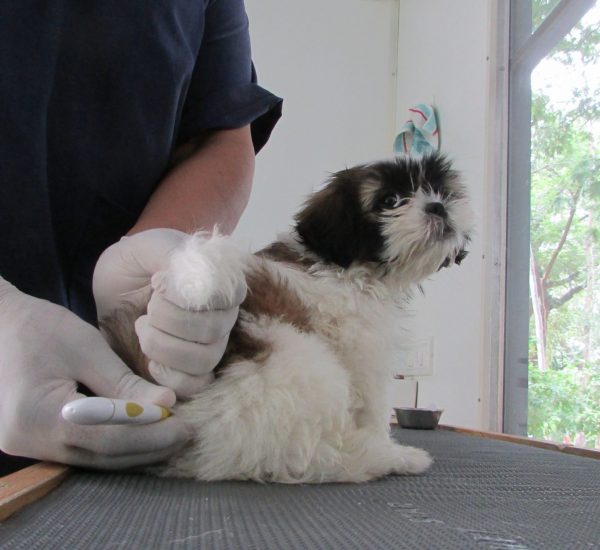
We have all heard that prevention is better than cure. According to a survey conducted in the year 2018, every year around 40% of dogs diagnosed with tick fever, succumb to death. The ones who make it go through intensive medication and therapy for months together. Many puppies are lost to diseases like parvoviral infection, canine distemper and leptospirosis. Many dogs also get infected with rabies and pose a risk to other dogs and humans.
dogs but also cats can get infected with many of these diseases. These diseases are a threat to animals and humans alike.
It is of utmost importance that diseases are prevented before they have a chance to appear. With the advances in veterinary medicine, experts have been able to develop many preventive strategies. Application of spot-on, tick collar, anti-tick injectable, oral anti-tick medications, ecto-parasiticidal shampoos and lotions for the prevention of ticks, fleas, mites, etc. are generally followed. Vaccination is done to prevent some of the diseases like leptospirosis, rabies, canine distemper, influenza virus, etc. Similarly, deworming syrups and tablets are available for endo-parasites.
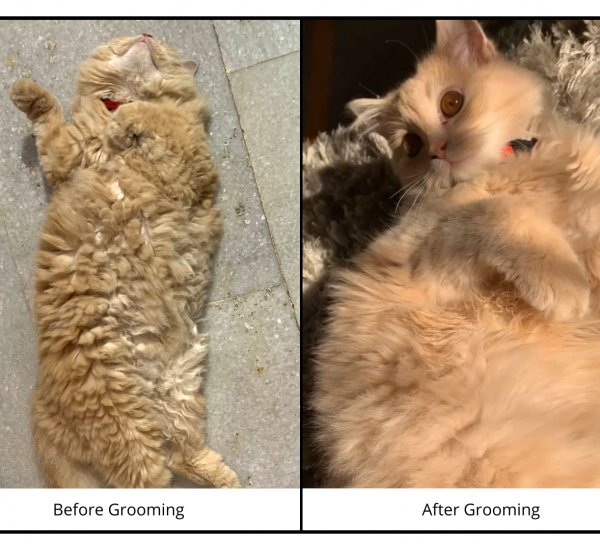
Grooming involves a multitude of practices like regular nail trimming and cleaning, timely baths, daily combing, etc. Dog nails are a source of dirt, debris and bacteria. Like humans, they do not have shoes to wear. Every time they go out of the house, they bring in more dirt and bacteria through their nails and paws. While cats are self groomers, dogs need humans to bathe them and keep their fur cleaned. This does not mean that cats do not need baths. They may also require baths occasionally. Daily combing enhances blood circulation, regulates fur-fall and helps you keep in check any brewing skin conditions or diseases like dry hair, scabs, dandruff, etc. It is also an activity that most animals will enjoy. Cats up to one year of age undergo moulting, which means they shed their kitten fur. This should not be confused with shedding due to other reasons. If you suspect that your cat/ kitten is shedding unnecessarily, you should visit your veterinarian.
Brushing can help you remove knots and scabs from the fur in both dogs and cats. While you are brushing animals, you should check for knots behind the ears, between the legs and around the neck. In these places, the fur is usually bushy. If you are cutting out the knots, be careful to not cut the skin. For intricate and detailed grooming, take your pets to pet groomers.
Dogs should be given a bath once every 15-20 days unless advised otherwise by the veterinarian. Cats who groom themselves regularly can be given a bath once in a few months. Human shampoos should not be used on animals. The pH of human skin is different from animal skin. Hence, our shampoos on them can cause rashes, itching, scabs, etc. You can decide the shampoo for your pet with a veterinarian’s help. They will advise the right product to you based on your animal’s skin and fur texture.
Grooming regularly is important as it keeps at bay an array of diseases that could affect both animals and humans like mange and fungal infections.

Humans can acquire animal-borne diseases when they are scratched, bitten or are in contact with animals. Pets enrich family lives but people need to make sure that certain precautions are taken care of. Spaying or neutering pets can help you reduce the number of unwanted litters. It can help with the prevention of rabies as well. It can reduce the characteristics of roaming in male dogs during the heat period. If you have a spayed female, you will not find random male dogs hovering around your house. Not only this, spaying and neutering reduces the risk of cancers like TVTs (Transmissible Venereal Tumours) or ovarian tumours or the chances of testicular cancers. Spaying and neutering your pets helps them reduce their intimate interactions with other dogs and keeps the strays also at a distance thereby not bringing in any infections.
How can spaying or neutering help in the prevention of rabies –
https://www.cdc.gov/rabies/prevention/animals.html
Why should you spay or neuter your pet –
https://www.brown.edu/Research/Colwill_Lab/CBP/spaynueter.htm
Apart from all the reasons given above, you also need to understand the difference between normal and abnormal, train them to not litter inside the home, ensure pet safety by keeping hazardous substances away from them, give them id tags, provide them with tons of love and affection, and also take care of their mental health.
10 fun ways to exercise with a healthy dog by Animal Planet-
Some fun ways to exercise your cats at home-
Some resources that will help you understand the importance of preventative therapy-
Why do vaccines matter –
https://www.avma.org/resources-tools/petowners/petcare/vaccinations
Diseases you can prevent in cats by vaccination and deworming-
Diseases you can prevent in dogs by vaccination and deworming-