
Viral Zoonoses
A virus is an infective agent that ideally consists of a nucleic acid molecule in a protein coat. It is too small to be seen by light microscopy and multiples only inside living cells. It is the link between the living and the non-living. The diseases caused by this infective agent are called viral diseases.
.
Rabies
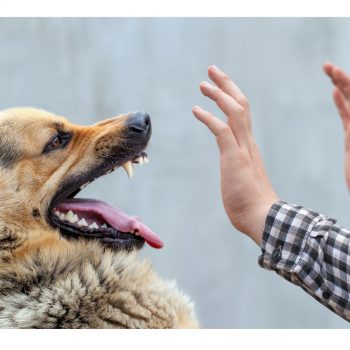
Rabies is a dreaded zoonotic disease transmitted by the bite of rabid animals. It is caused by Rabies virus (RABV) of genus Lyssavirus of Rhabdoviridae family. Rabies occurs in more than 150 countries and territories worldwide and over 3 billion people are at risk. Rabies is a neglected tropical zoonosis responsible for ~59000 human deaths annually at the global scale. It means, every 15 minutes, one person dies because of rabies. Children under 15 years are at maximum risk.
Highest number of rabies cases and deaths (approximately 20,000) are recorded in India. It is a 100% preventable disease if post exposure prophylaxis is undertaken immediately after exposure to rabies virus.
All species of mammals are susceptible to rabies virus, but only a few species are important as reservoirs of this disease. In India, more than 97% of rabies cases are associated with dog bites followed by cat and monkey bites. Apart from dogs and cats, mongoose, fox, jackal, racoons, skunks, bats and coyotes are important reservoirs of rabies virus throughout the world. It is mainly transmitted through bite of rabid animals, contact of virus to mucus membrane, accidentally through aerosols and very rarely by organ transplant.
In humans-
- Insomnia
- Anxiety
- Confusion
- Slight or partial paralysis
- Excitation
- Hallucinations
- Agitation
- Hyper-salivation
- Difficulty in swallowing
- Death.
In animals-
- Pica
- Fever
- Seizures
- Paralysis
- Hydrophobia
- Dropped jaw
- Vocalisation
- Lack of muscle coordination
- Unusual shyness or aggression
- Death
Diagnosis of rabies is done in specialized laboratories using direct fluorescent antibody (DFA) test. Snap tests are also available for the diagnosis of rabies using saliva but these tests can sometimes be unreliable.
The WHO rabies exposure categories are:
Category I: touching or feeding animals, animal licks on intact skin (no exposure);
Category II: nibbling of uncovered skin, minor scratches or abrasions without bleeding (exposure);
Category III: single or multiple transdermal bites or scratches, contamination of mucous membrane or broken skin with saliva from animal licks, exposures due to direct contact with bats (severe exposure).
Wound management and vaccination are the only strategies for the prevention of rabies. Pre and post exposure vaccination schedule as per the WHO recommendations (April 2018) must be followed. Similarly, anti-rabies vaccination schedule for dogs and cats should be strictly followed under veterinary supervision.
To know more about rabies prevention and control and post bite wound management, visit https://www.who.int/news-room/fact-sheets/detail/rabies